
“Crazy eclectic, but in a really interesting and provocative way.”
“If you’re leading a business today, you need to listen to this.”
“I've walked away each time with new ideas, perspectives and tips.”
All episodes.
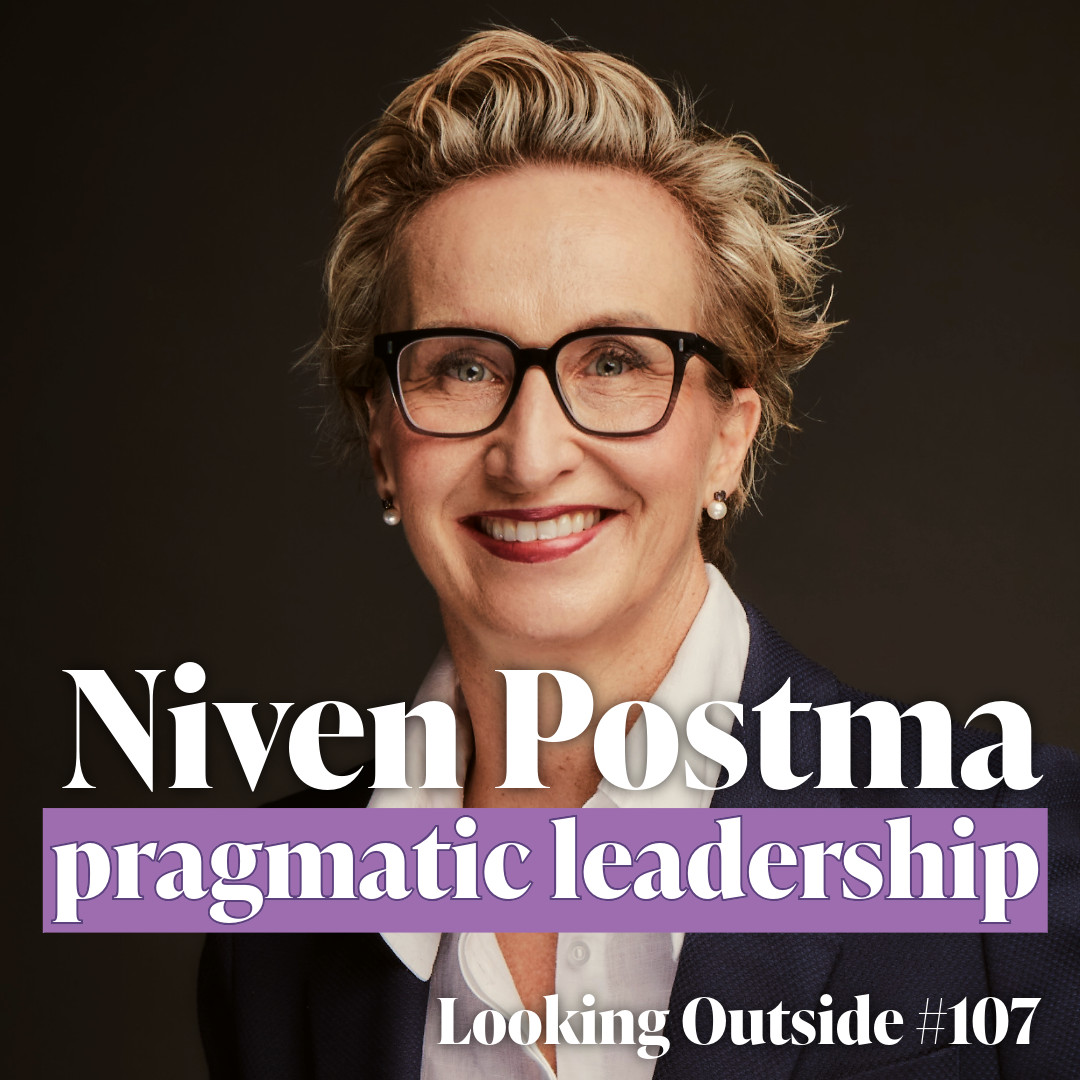
Episode 107: pragmatic leadership
Leaders in volatile and unpredictable markets are often asked to steady the course and stabilize the ship. But what if chaos is the new business normal? Organizational change expert Niven Postma says any leader navigating uncertainty today needs to harness a new type of workplace intelligence. She points to the Stockdale Paradox, where the brutality of the moment is recognized as the reality. Pragmatism, therefore, is the most required skill of the future leader. Without that, Niven argues, the most idealistic leaders quickly become cynics, and cynics become complicit to the complacency of corporate life.

Business Brief: Brand influence
Business Brief is a (very brief, just 5 mins) new solo series by Jo Lepore, exploring immediate business implications of emerging topics.
The modern influencer economy is worth billions so it's clearly influencing marketers, but does it pay off in the long term? In this Business Brief, we look at how brands have been winning, losing and controlling authority for decades, and why everyday influencers are here today, but will be gone tomorrow.
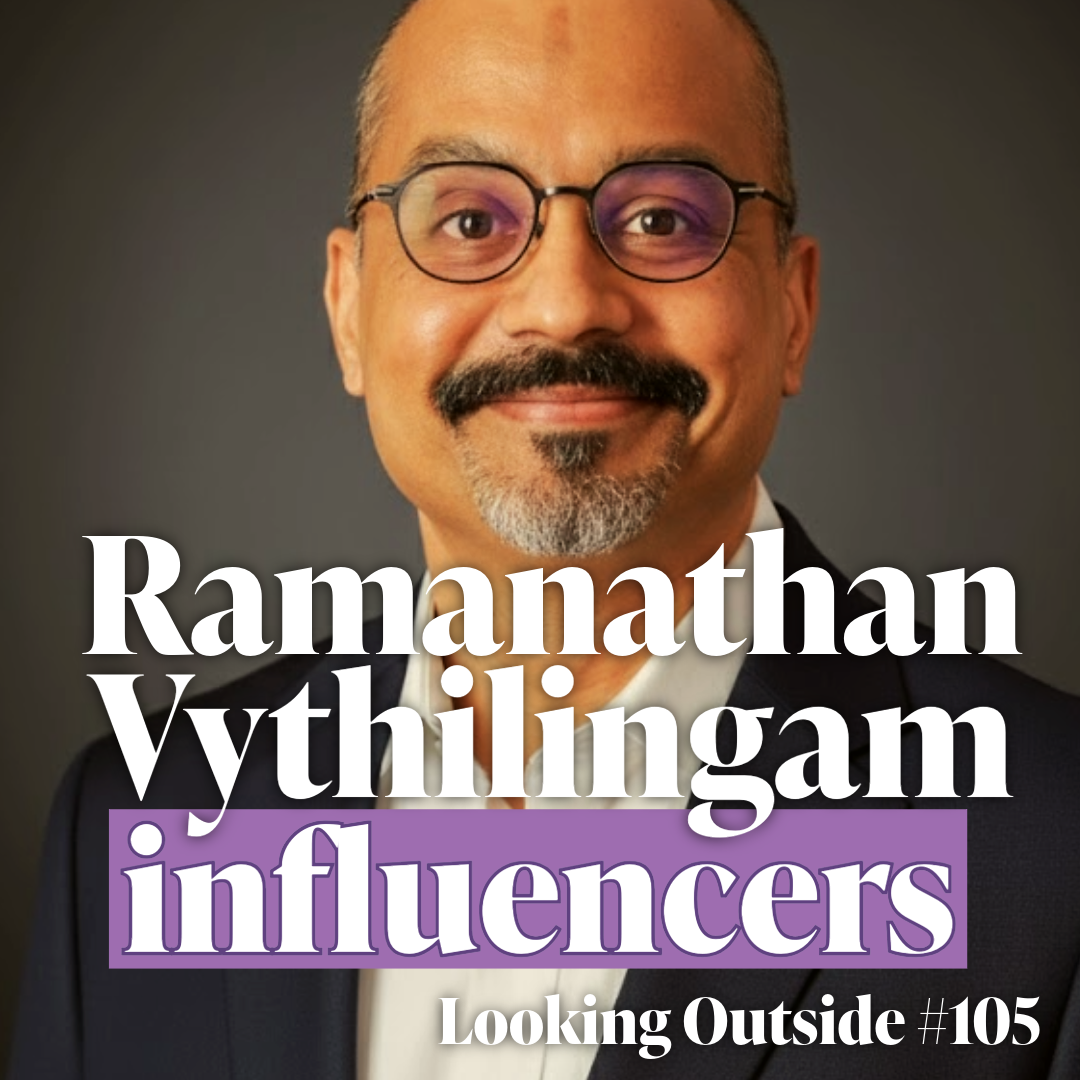
Episode 105: influencer marketing
Influencer marketing is not a paradigm shift. At best it’s an over-inflated investment (in the billions), at worst it’s serving up false credibility to audiences, masked as ‘trust’. And yet, it’s all that seemed to be on the agenda at Cannes this year, and is being heavily weighted in the marketing media mix by marketers that should know better. Is marketing through influencers, or content creators, a waste of money then? Ramanathan Vythilingam says no - if it’s intentionally used. Ram has been researching the effectiveness of influencer campaigns, following two decades behind the scenes at Unilever. He says the name of the game now is to get savvy and more protective of brand assets and marketing dollars, especially in this marketing era of abundance and clutter.

Business Brief: Disengaged youth
Business Brief is a (very brief, just 5 mins) new solo series by Jo Lepore, exploring immediate business implications of emerging topics.
Who will run your business in the future? We like to study, interview and market to young people, but are we really ready to handle the feedback they're serving? In this Business Brief, we look at the 'performative' nature of youth engagement and why this is causing a further disconnect for the next generation of leaders.
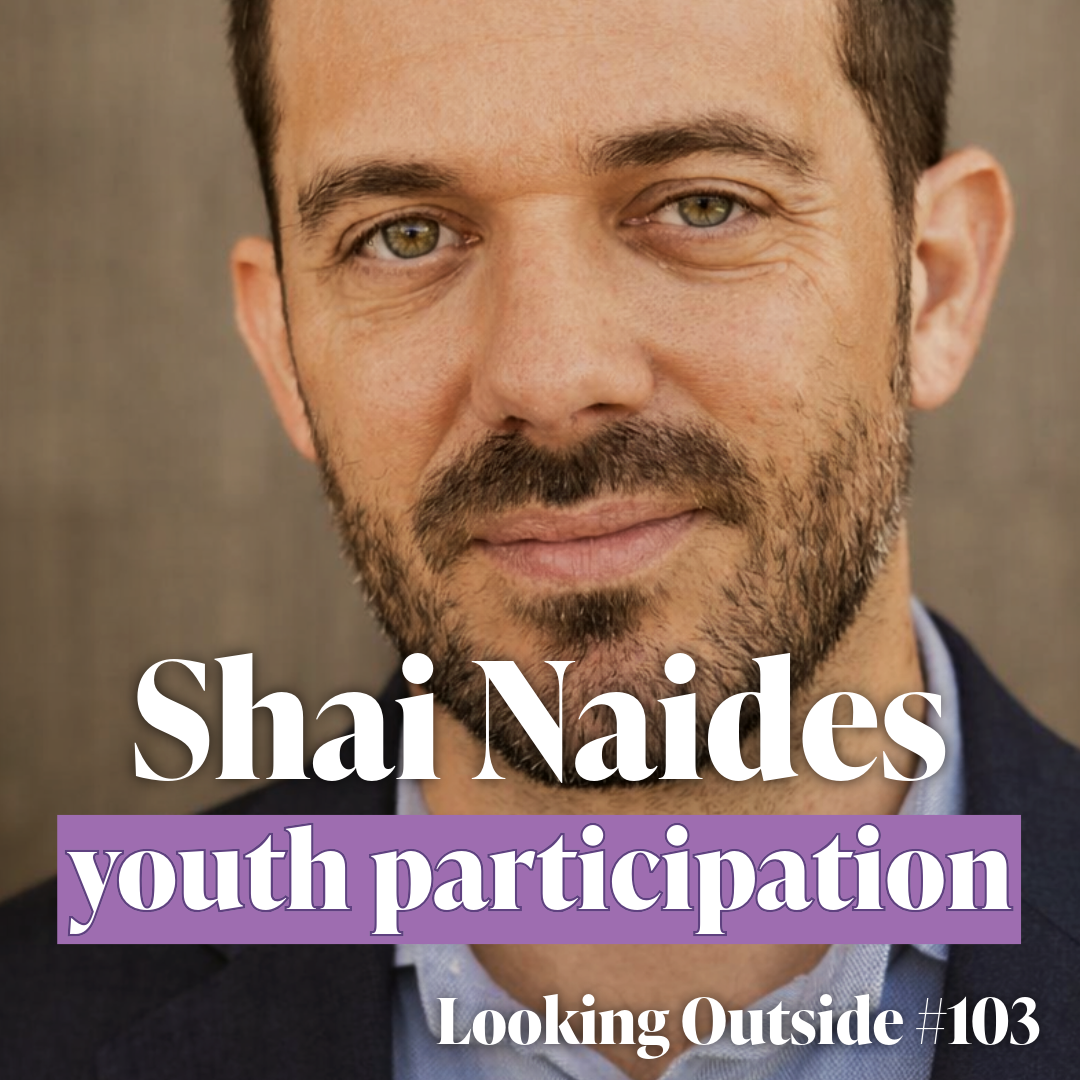
Episode 103: youth participation
In a boardroom setting, young people are often spoken of and sometimes represented. But their ideas, opinions and provocations are mostly inconsequential, left untranslated to influence. After all, young people are full of naivety and inexperience that doesn’t fit with our practical ‘real world’ ... right? But Shai Naides says that their presence should be less like a token of good will, and more like a gesture of intent. Through his work in policy for intergenerational governance and participation, within UNICEF's office of strategy and evidence, Shai has uncovered what it takes to bring young people into multilateral forums where their (perhaps altruistic) challenges and perspectives to established thinking are turned into a mechanism for their agency. And perhaps gives them back a little bit of hope for the future.

Business Brief: Competition
Business Brief is a (very brief, only 5 mins) new solo series on what’s impacting business.
Your future competition may be coming not only from outside your category, but another part of the world. In this Business Brief, Jo examines the rapid rise of new international challengers redefining what “competitive” means. And why lessons on balancing speed, agility and experimentation with long term stability and a future vision can be best learnt right now from Asian brands.
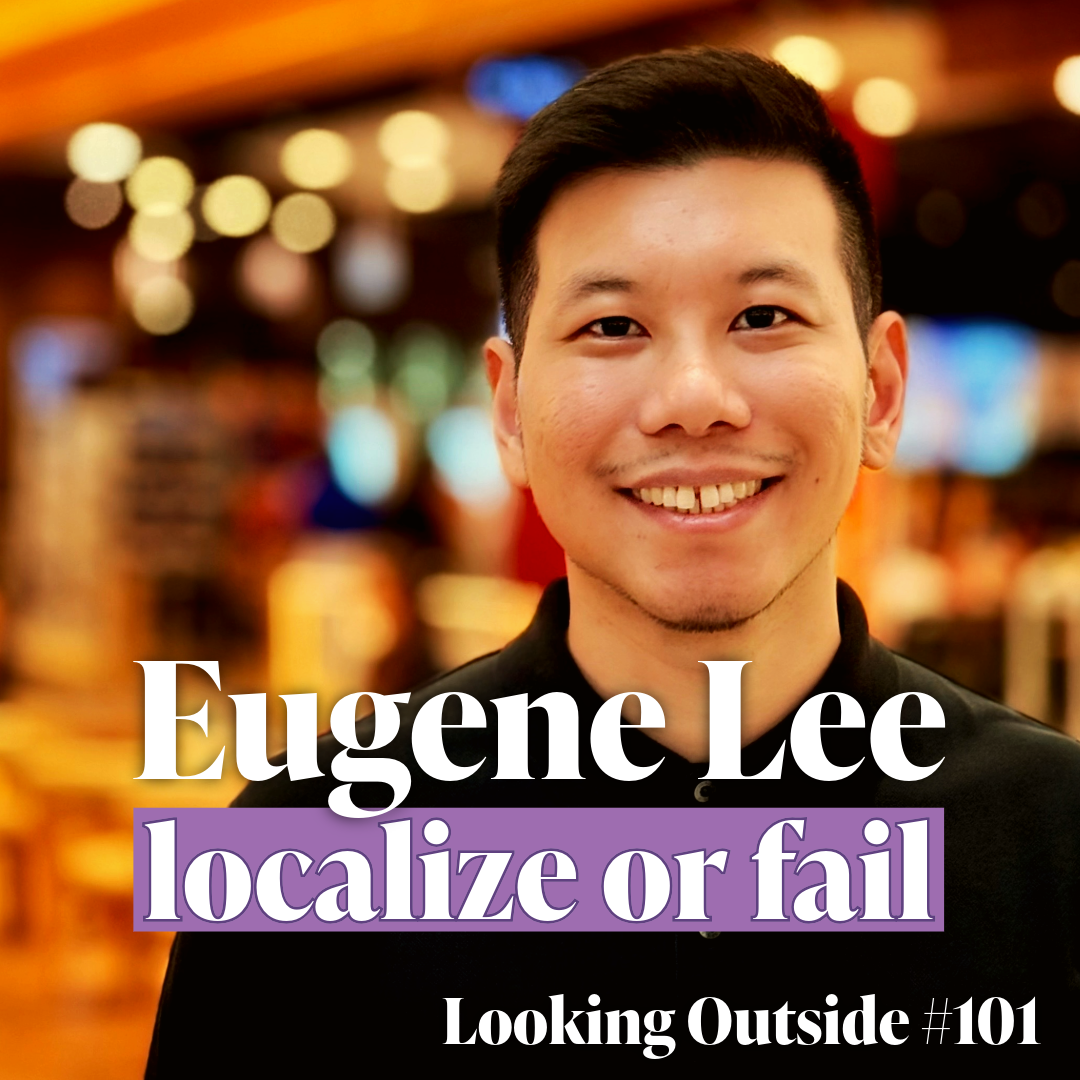
Episode 101: localize or fail
Scaling a big American brand globally is not a guaranteed recipe for success any more. Market localization is key to building relevance and trust, especially in Asia. Here, locally founded brands move faster, without the shackles of ‘big brand’ bureaucracy. For leaders in the headquarters of multinational corporations, this type of freedom and pace may feel unusual, but as our guest today explains, it’s the norm in Asia. Joining us is Singapore-based Eugene Lee, CMO of fast-growing premium tea brand CHAGEE.

Business Brief: Chaos
Business Brief is a (very brief, only 5 mins) new solo series on what’s impacting business.
Chaos in business is undesirable, to say the least. But chaos is normal, even necessary, in solving complex problems and capturing new growth. In this Business Brief, Jo reflects on the rejection of chaos in business, in favor of order, structure and process. And why, amidst our quest for predictability and preparation, we may need to embrace a little bit of chaos.
Episode 99: complexity in chaos
Things used to be simpler. Competition fueled innovation. When wars were fought, you could easily tell who the good guys were. Institutions could be trusted. A lens like this might feel right, but is it true? Richard Hames doesn’t think so. Operating at the intersection of complex systems thinking, philosophy, foresight and organizational readiness for decades, Richard has observed the fracturing – and near collapse – of our societal and governing anchors. But this gradual transition, this disconnection from the ‘old world’, while unsettling, is neither good nor bad. For this future, Richard says openness and curiosity will serve us better than the best preparation.

Business Brief: Innovation
Business Brief is a (very brief, only 5 mins) new solo series on what’s impacting business.
When a market is stalling in innovation, an enchanting charismatic leaders selling a bold, crazy idea can be tempting. Is it, then, more important that the idea is visionary, or that it's attainable? In this Business Brief, Jo reflects on the fine line between bold innovation and unethical ambition, and why business leaders must stay vigilant about the dark patterns that distort progress.
Episode 97: business ethics
Every organization, at some point, has their ethical boundaries tested. But there is a difference between an organization with ambition and drive, and one that pushes its people into unrealistic, unhealthy and disastrous behaviors in order to succeed. Today we’re talking about the slippery slope into destructive and dangerous corporate behavior, with professor of business ethics at HEC Lausanne, Guido Palazzo. Guido says the patterns into darkness are obvious, completely avoidable ... and quite counter to what we’re told makes for a successful corporate culture in business schools.

Business Brief: Curiosity
Business Brief is a (very brief, only 5 mins) new solo series on what’s impacting business.
The path to the c-suite is predictable and still reliant on strong commercial literacy. But while marketers are relegated to perceptions of creativity, not financial savviness, senior leaders lack the very skills they bring – curiosity. In this Business Brief, Jo reflects on the cross-functional and transdisciplinary skills needed to bring truly future-forward thinking to organizations caught up in short term thinking.
Episode 95: marketing’s vanity problem
When a profession brags about its ability to operate without formal training, you know you have a vanity problem. Founder of the MiniMBA, marketing professor and not-actually-that-angry columnist Mark Ritson joins the Looking Outside podcast to reiterate the central role of marketing in business – to understand the other. Marketers today have a branding problem, making it about themselves, the glitz and the awards, and Mark says this is all imposter syndrome stemming from lack of formal training. Empathy is foundational to marketing and is so needed in organizations distracted with short term priorities and obsessed with a narrative of constant change. And it can be a powerful unlocker of transformative ideas (like saving abandoned dogs).

Business Brief: Purpose
Business Brief is a (very brief, only 5 mins) new solo series on what’s impacting business.
It’s all well and good for a brand to have purpose, but what your company? In this Business Brief, Jo unpacks our obsession with proclaiming brand intent and pre-occupation with purpose led marketing. But that's not really the problem; it’s the absence of a well-defined and consistently rewarded company purpose.
Episode 93: purpose fails
If you’re tired of talking about brand purpose, you’re not alone. In most cases, when researched, purpose just does not work. But perhaps it’s been sitting with the wrong department this whole time … Author of The Purpose of Purpose, brand strategist and former stand-up comedian Ron Tite, argues that purpose is not for the marketers but for human resources, because ultimately what you "say” about your brand hinges entirely on what you collectively “think” within your company. There is there a tendency in organizations to bypass the bit in the middle - to voice your vision before you’ve backed it up tangible policies, incentives and activities. Without that, it’s just bullshit PR.

Business Brief: Long term thinking
Business Brief is a (very brief, only 5 mins) new solo series on what’s impacting business.
What does it take to build a business that lasts generations? In this Business Brief, Jo reflects on long-term thinking, the resilience of family-run businesses, and why creating a compelling vision matters when aligning business heritage with future ambitions.
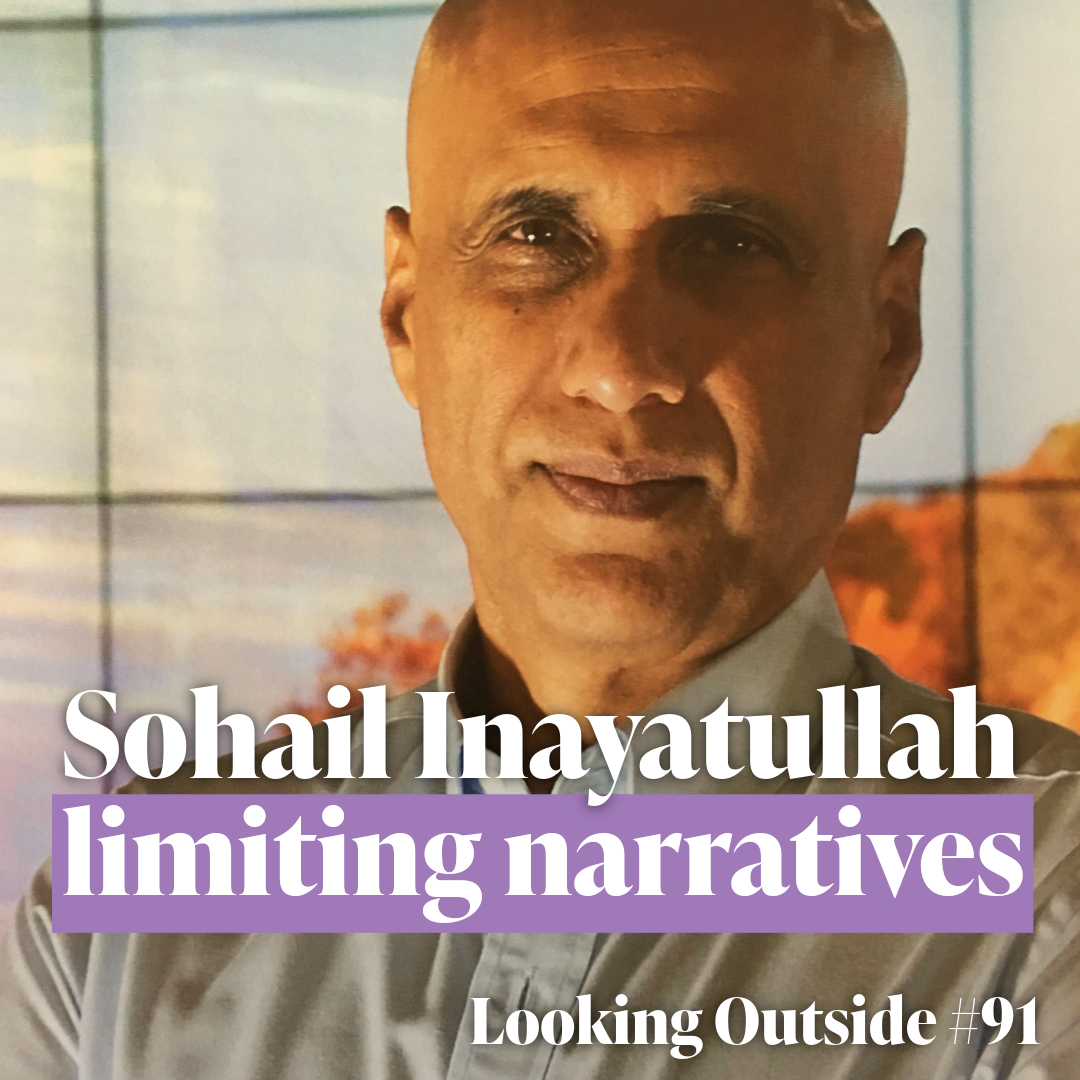
Episode 91: limiting metaphors
On this episode of Looking Outside we peek into the metaphors, imagery and stories that unknowingly shape the limitations of our business strategy, and limit our ambitions. UNESCO chair of futures, Sohail Inayatullah has seen this many times before - from brands rethinking positioning, CEOs shifting cultural capability, to government leaders reshaping coalitions. In each case, when we dig deeper to the metaphor we hold for ourselves, we gain visibility of what limits our worldview, and the bars that guard us from transformational change. Sohail stresses that a strategy can easily change based on the story you tell others, but it’s uncovering the story you tell yourself as a leader that, while uncomfortable, is the true unlocker of new possibilities for the future.
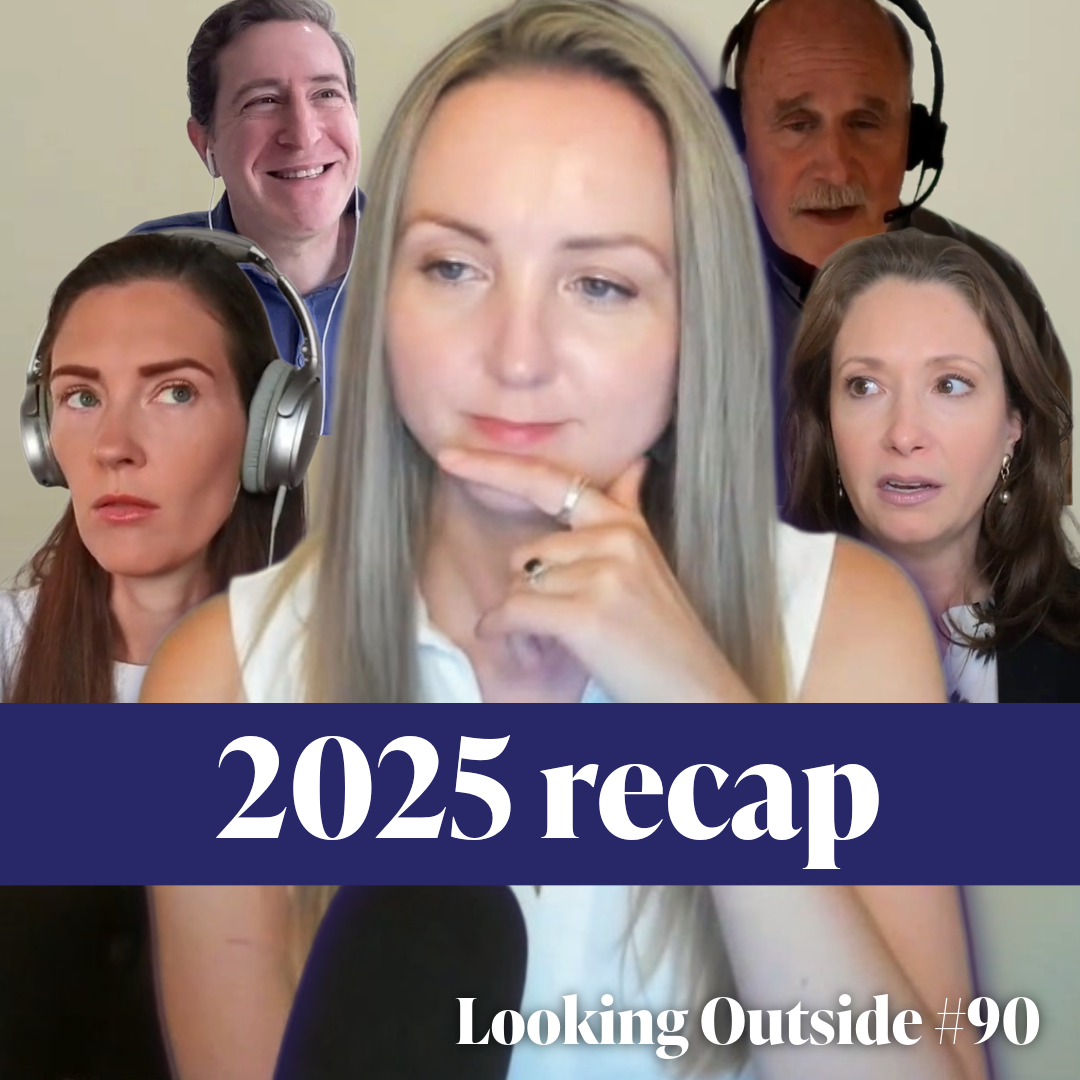
Episode 90: 2025 recap
What a year! It’s time to wrap it up for 2025 and highlight the eclectic mix of diverse perspectives, divergent topics and expert thinking that appeared on the show this year. From the best performing episodes and most popular themes, to the most prominent guest go-to's for fresh perspectives, today we’re going back to the episodes that resonated most.
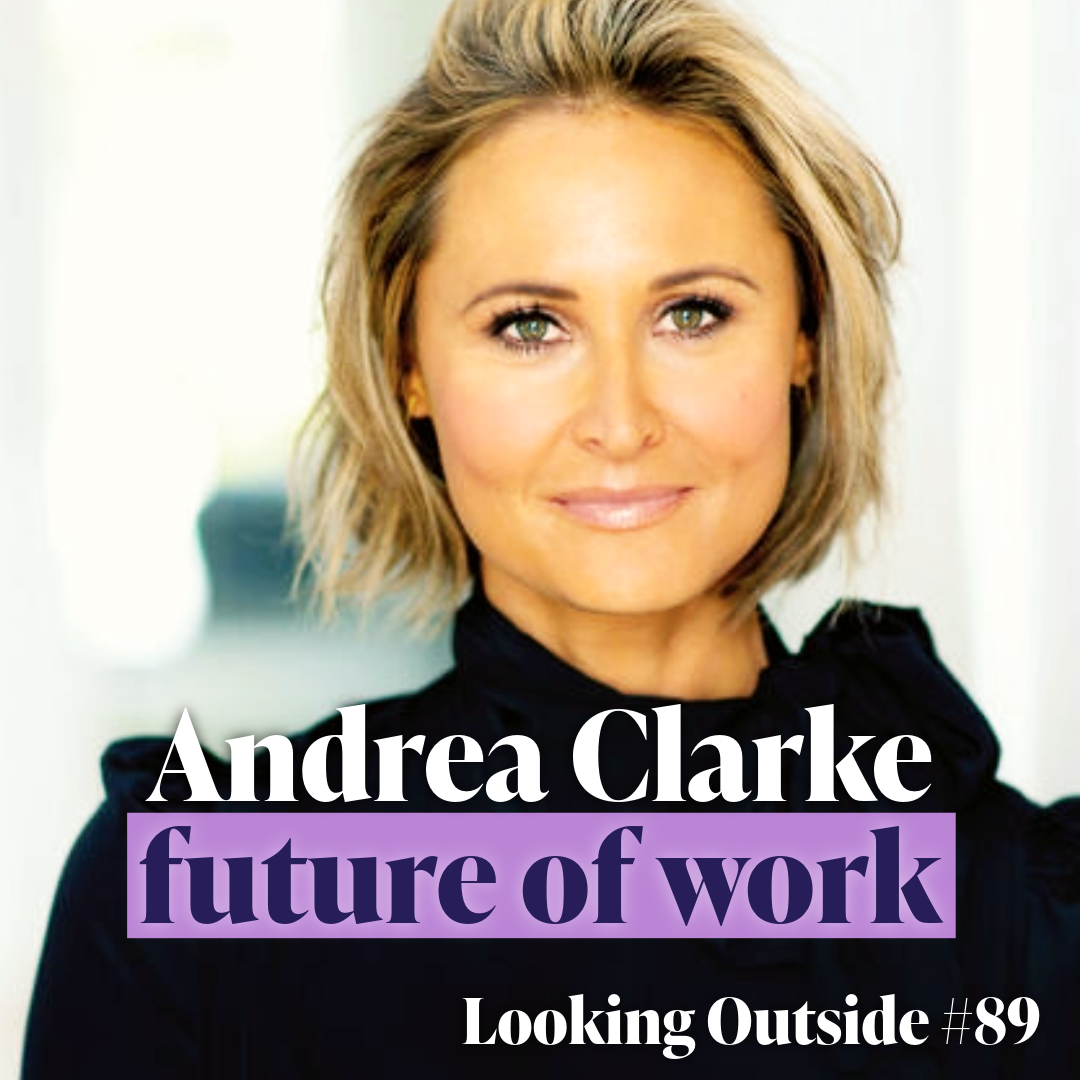
Episode 89: future of work
In this live conversation, recorded on the podcast stage at SXSW Sydney, two futurists explore the unforeseen future emerging in the workplace. Author and ex-journalist Andrea Clarke, joins host Jo Lepore on stage to discuss the human and talent transformation taking place at work. Our resistance to this kind of change is normal, Andrea says, as our human inclination is to see it as a loss and not a gain. Workers must reframe how they take in and take charge of what’s asked of them - becoming discerning of mainstream narratives told to them, building ‘unignorable’ human skills, and strengthening the mindset of adaptability to constant change. As change is, after all, the only constant - especially at in how we work and how we lead.
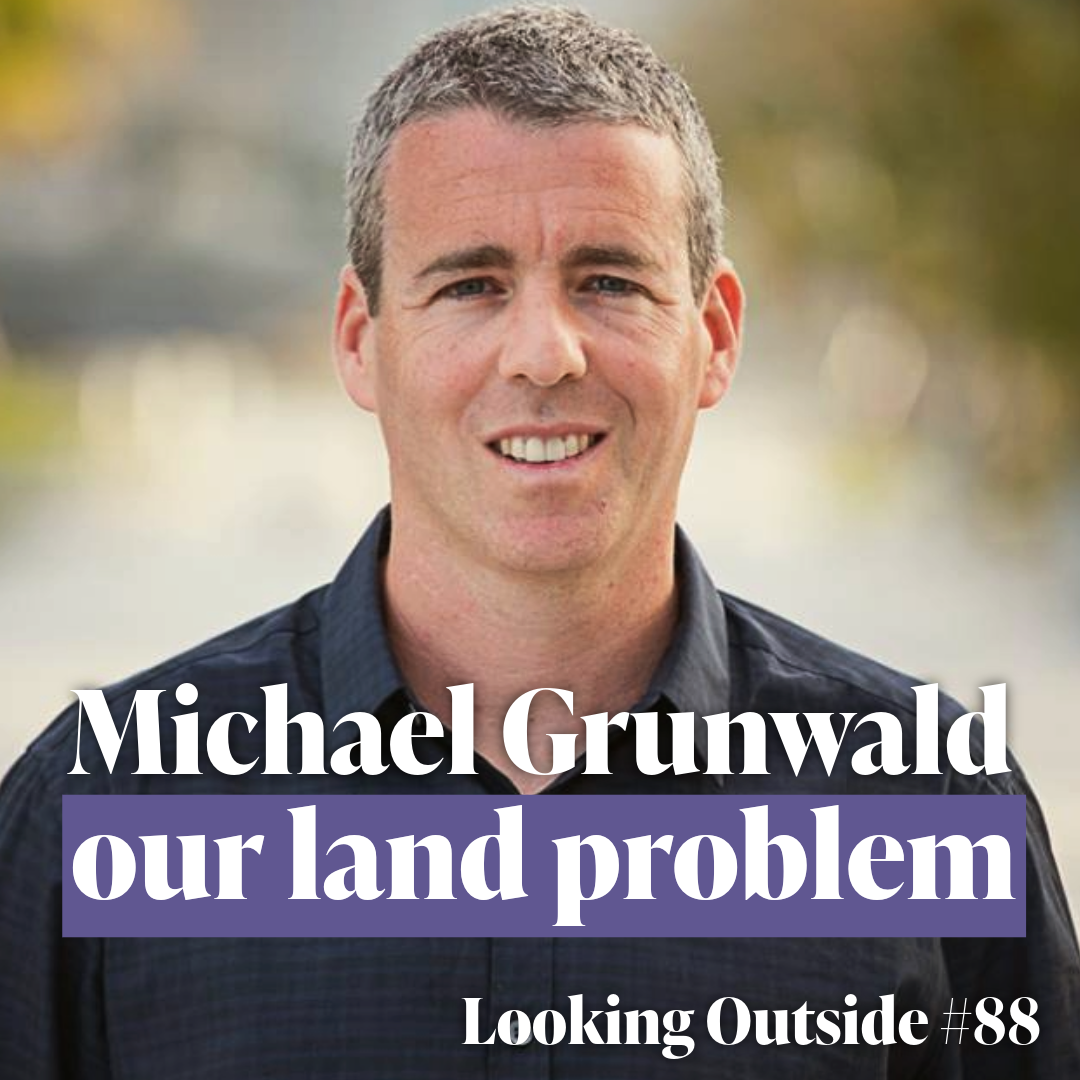
Episode 88: our land problem
The food system isn’t broken. But it has a big problem. That is land – and how little of it we have. Journalist and author Michael Grunwald joins us on the show today to talk openly about the elephant in the food ecosystem. Regenerative agriculture, precision fermentation, vertical farming, meat alternatives … we have no shortage of innovative ideas in the food system. But very quickly, a ‘quick fix’ turns out to be just a dumb idea. Despite a growing population, climate change challenges, and a human hypocrisy problem, Mike says we can feed everyone with the land we have, we just can’t keep taking more of it for agriculture.